We had adopted Grace six months earlier, in a small town outside Portland.
She barely spoke above a whisper and still asked permission before opening the refrigerator.
Her caseworker told us she just needed time to feel safe.
My husband, Nathan, seemed endlessly patient with her. He packed her lunches. He helped with her homework. He'd even told me once, "Eventually she'll realize we're her family."
But Grace changed whenever I left the room.
She watched Nathan constantly. If he walked behind her, she flinched. If he raised his voice, even a little, she disappeared into her bedroom.
I kept telling myself it was just her past.
Then one Saturday morning, Nathan spilled coffee down his pants. He laughed, stood up, and reached for his belt to change.
The buckle clicked.

Grace dropped her cereal bowl. It shattered across the kitchen floor.
"No! Please!"
She crawled backward until her back hit the wall.

Nathan froze.
I ran to her. "Grace, sweetheart, nobody's hurting you."
But she wasn't looking at Nathan. She was staring at the belt in his hand.
"Don't lock the door again," she sobbed.
My whole body went cold.
Nathan stared at her. "What door?"
Grace suddenly clapped a hand over her own mouth.
I looked at my husband. He looked confused — but something in his expression didn't sit right with me.
That night, after Grace finally fell asleep, I went back through the adoption paperwork.
Buried in the file was the name of the emergency foster home she'd stayed at before us.
I recognized the address the moment I read it.
It belonged to Nathan's older brother.
I walked downstairs with the document still in my hand.
Nathan was sitting alone in the living room.
"Why didn't you tell me Grace lived with your brother?"
His face went completely still.
Then I heard small footsteps on the stairs.
Grace stood on the landing, clutching an old photograph.
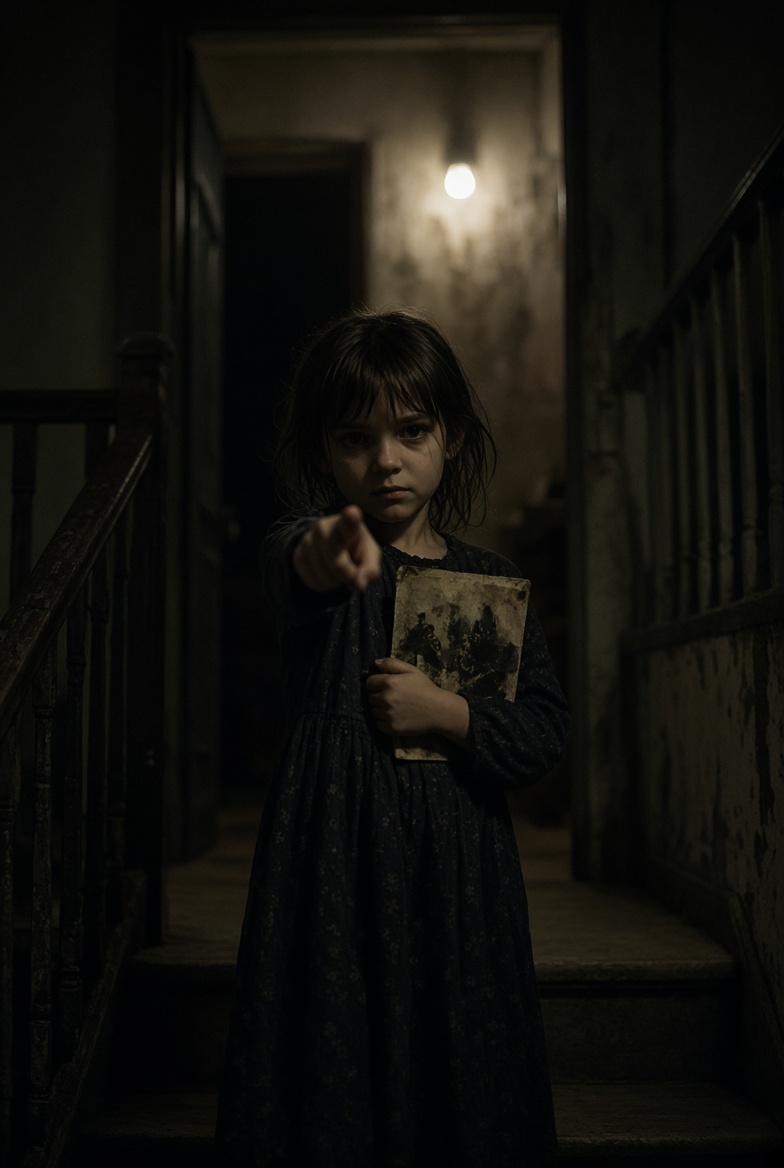
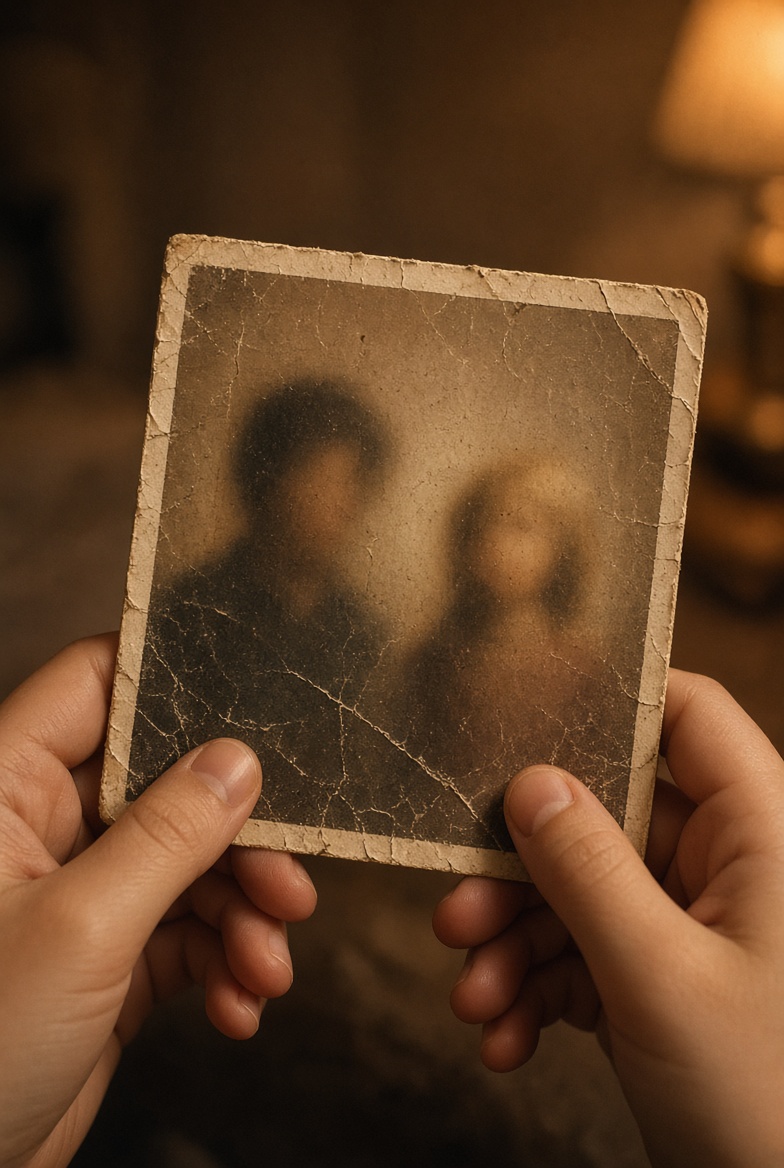
She pointed at Nathan and whispered, "He was there too."